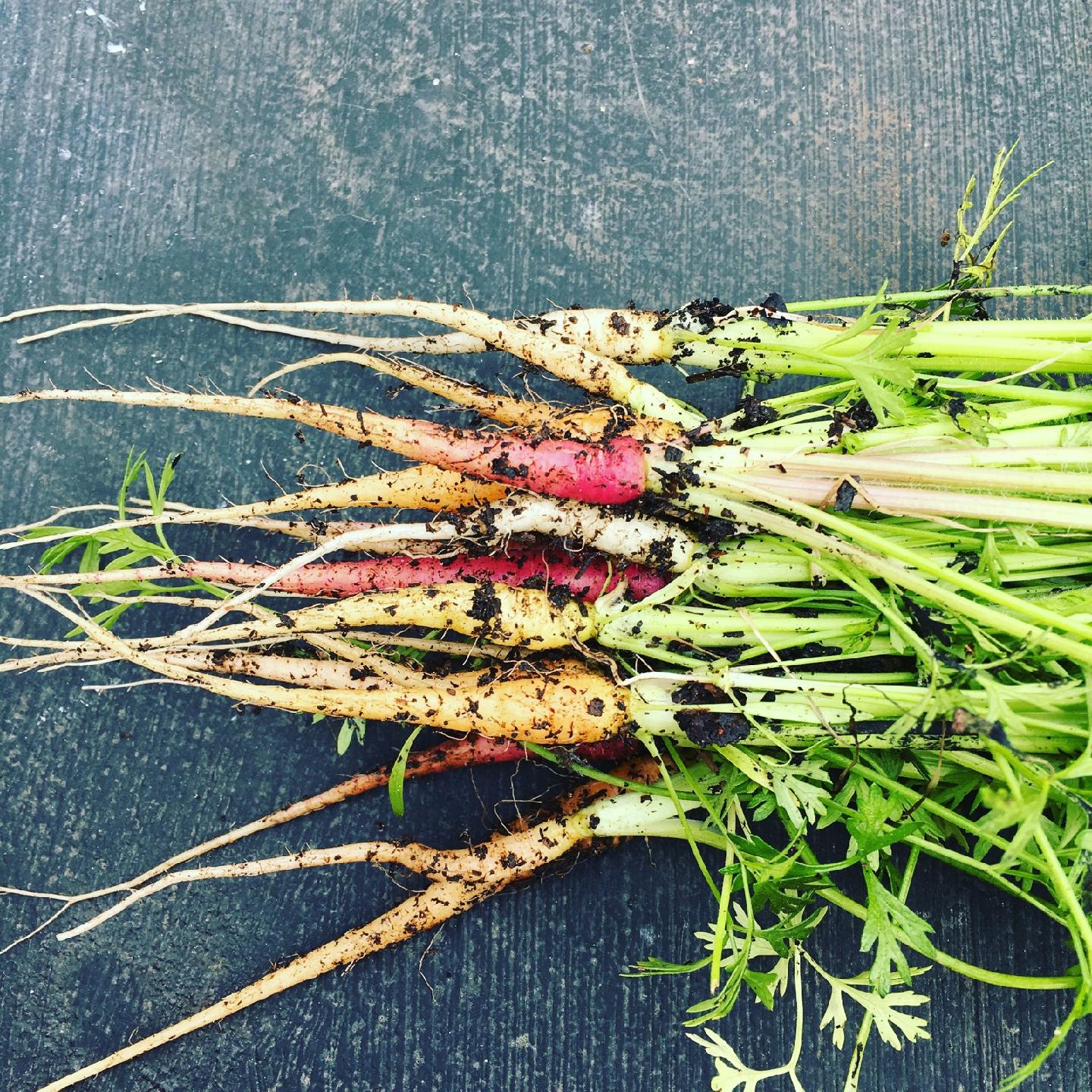
Here are the new arrivals growing in My Garden for 2025…
“I’m thrilled to introduce these rare, fascinating, delicious, and healthy heirloom fruits, vegetables, and herbs to my friends and family!” – Nastoosh Berg
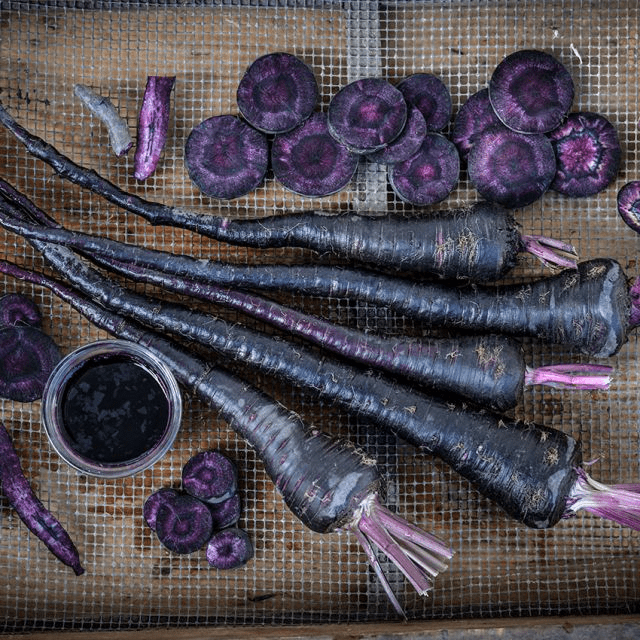
Pusa Asita Carrot – This is the world’s richest plant-based source of anthocyanin, this carrot from India is so rich in the dark-pigmented antioxidant that the roots are practically black! It is especially well suited for the south and performs better than other carrots in extreme heat. Its flavor is richer and sweeter than a regular orange carrot, and the color deepens as carrots mature, even bleeding like a beet when cut.
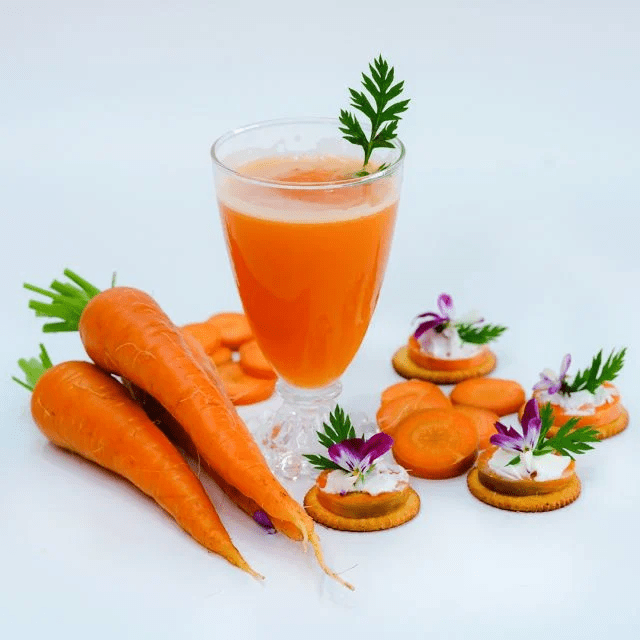
Danvers 126 Half Long Carrot – The original Danvers Half Long dates back to the 1870s. This strain “126” was improved in the 1940s. The old standard American carrot is adaptable and dependable. This variety has thick 7-inch roots with a wonderful flavor.
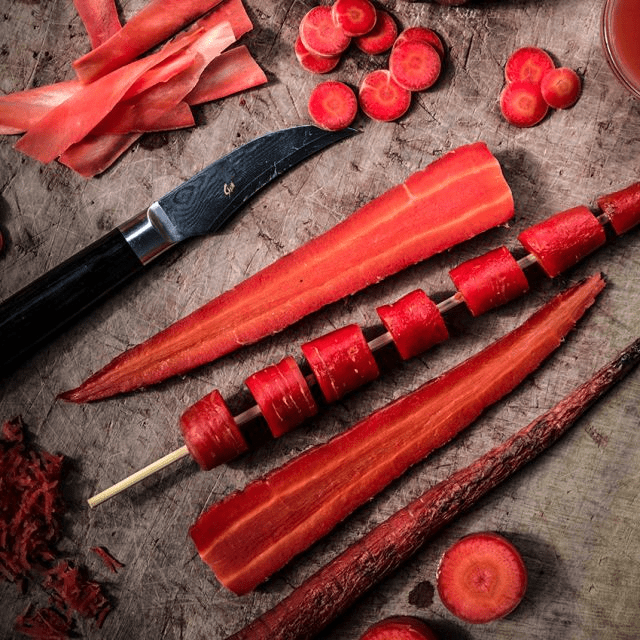
Kyoto Red – This is a Japanese Kintoki-type (sweet red) carrot. These silky red carrots are grown near Kyoto, Japan, where they are traditionally eaten on the Japanese New Year, often carved into the shape of a plum blossom to represent fertility in the coming year. These carrots have an exceptional texture and a very sweet, slightly watermelon flavor. Perfect as a roasting, grilling, dessert, and fresh juicing carrot!
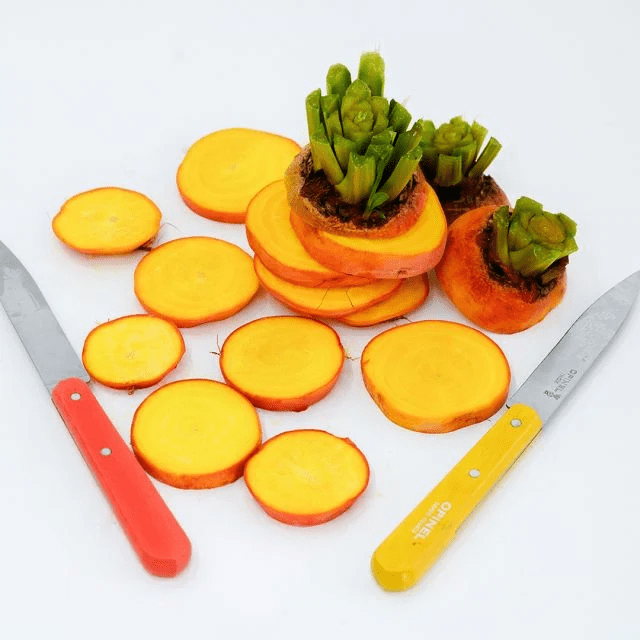
Wintersonne Beets – From Sativa Rheinau in Switzerland, Wintersonne brightens up the plate and lights up the palate with its gold, sugary flesh. The sweet earthy tones are ideal for grating raw into salads for some extra crunch, similar to a carrot. These globe-shaped beets have rich burnt-orange skin, yet on the inside they are a delicate sunshine yellow and cloudy white concentric rings.
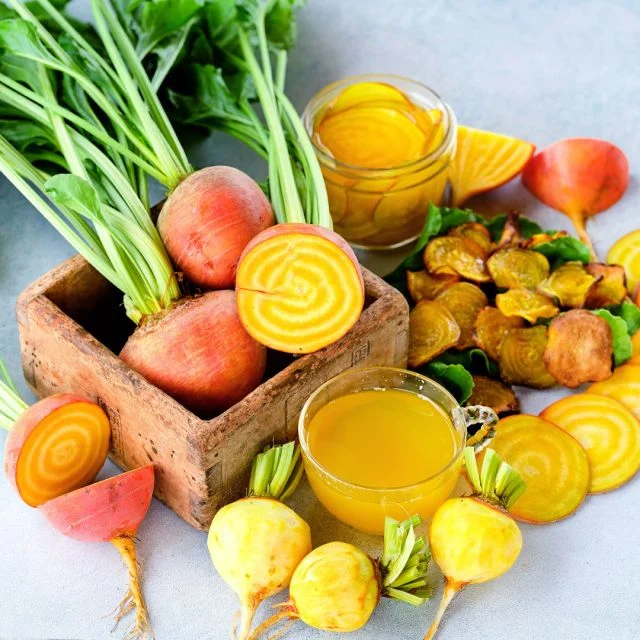
Golden Beets – A lovely yellow beet, with super sweet flesh and dense nutrition. The rich golden roots do not bleed or stain, making for less kitchen mess. It is an excellent variety for kids and people that normally don’t like beets, as the mellow flavor is much less earthy than regular red beets, and rich in folate, manganese, and, of course, beta-carotene. Yellow beets date back to at least the 1820s, but they did not become widely adopted by gardeners until Burpee Seed introduced a golden beet in the 1960s. Perfect for raw eating, roasting, juicing, and more!
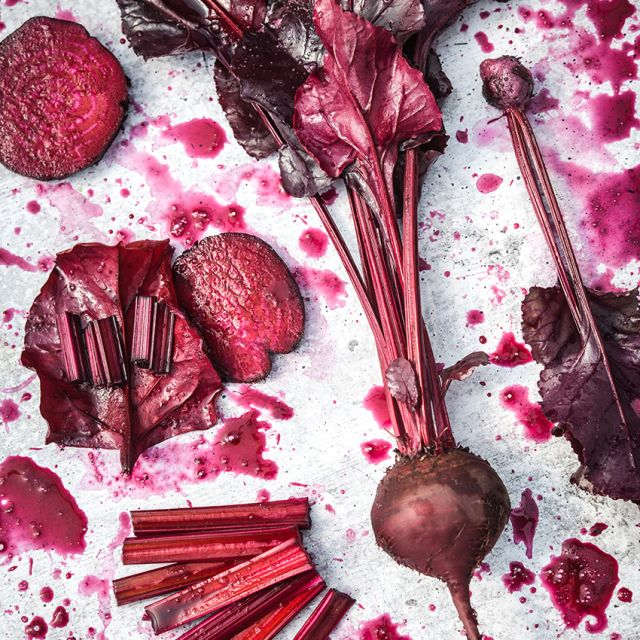
Bull’s Blood Beets – A delicious and beautiful multipurpose beet that is blood red to deep purple in color from its leaves down to its roots. The extra antioxidant-rich leaves are delicious sauteed or in salads, especially when harvested in the baby stage. The sweet, earthy roots are intense and flavorful. This heirloom was selected in 1986 by Kees Sahin, a Dutch seed breeder who used the ancient Crapaudine beet as a parent.
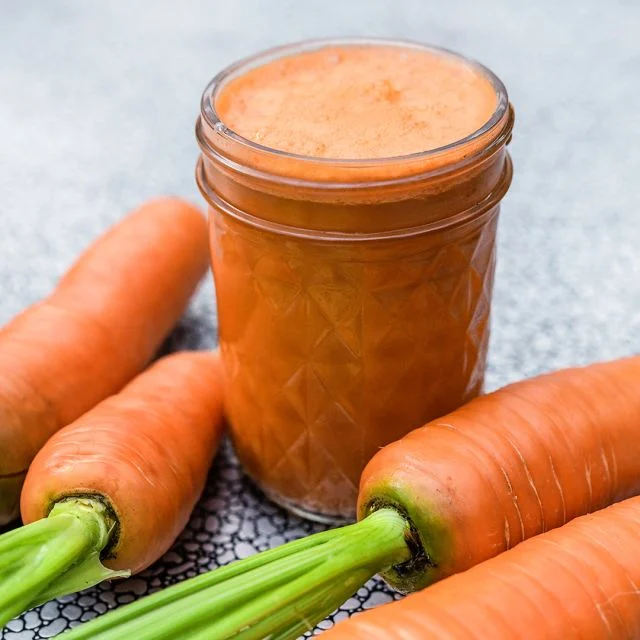
Koral Carrot – A super nutrient-dense heirloom from Europe. A 100-gram serving of Koral carrot provides over half of your daily recommended allowance of vitamin A! Its silky smooth texture makes Koral one of the very best for juicing. This excellent keeper carrot is widely grown in Europe but practically unknown in the U.S. Superb for making delicious carrot juice, sweet and flavorful!
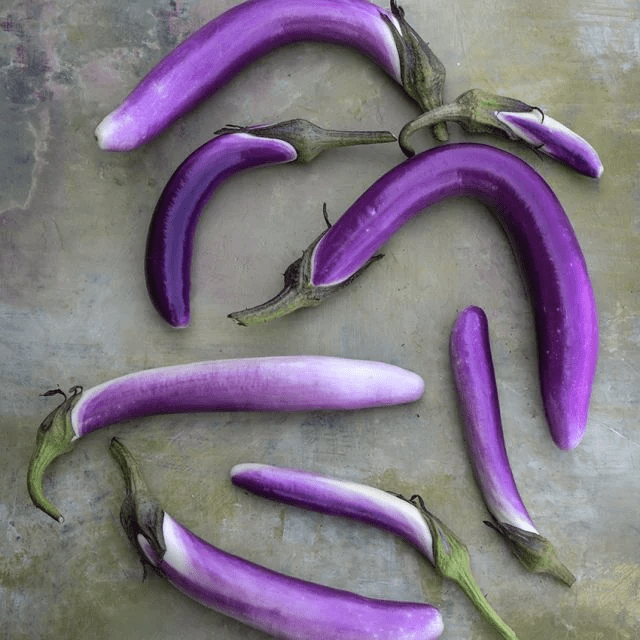
Ping Tung Eggplant – A wonderful eggplant from Ping Tung, Taiwan. Purple fruit, with tender white flesh. This variety is so sweet and delicious! One of the best Chinese-type eggplants.

Japanese White Egg Eggplant – This unique heirloom eggplant is known for its small, oval, white fruits that resemble chicken eggs. With their full, rich flavor, the lovely 2- to 3-inch white fruit are perfect for stir-frying, soups and curries.
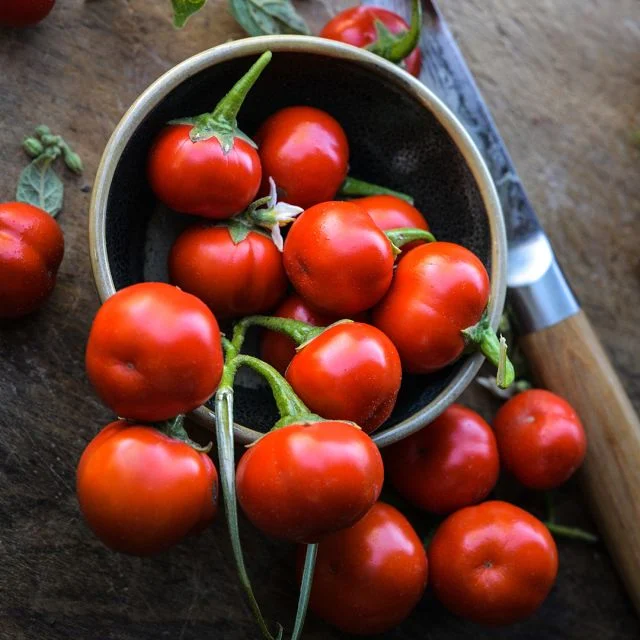
Ensoro Ewia Eggplant – This flavorful eggplant is an indigenous variety of Ghana that is popular among the Ashantis. This variety is said to have been in use for over 150 years. Its name translates to “drought or heat resistant,” this is a rugged, delicious eggplant, that looks like a tomato!
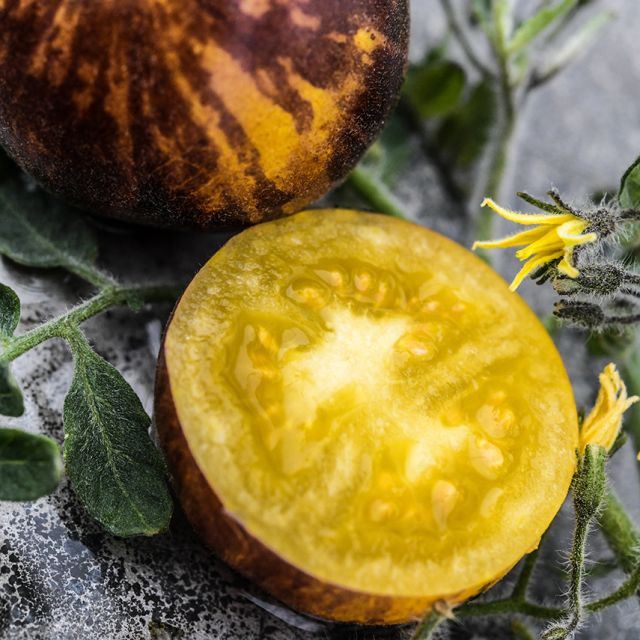
Wooly Kate Tomato – A rare breed of tomato, this sunny yellow fruit with blue shoulders is covered in a light peach fuzz! These cocktail-type tomatoes reach 2-3 inches in diameter, making them an excellent snack tomato. It is also wonderful in salads and cooked dishes. From the legendary tomato breeder Tom Wagner.
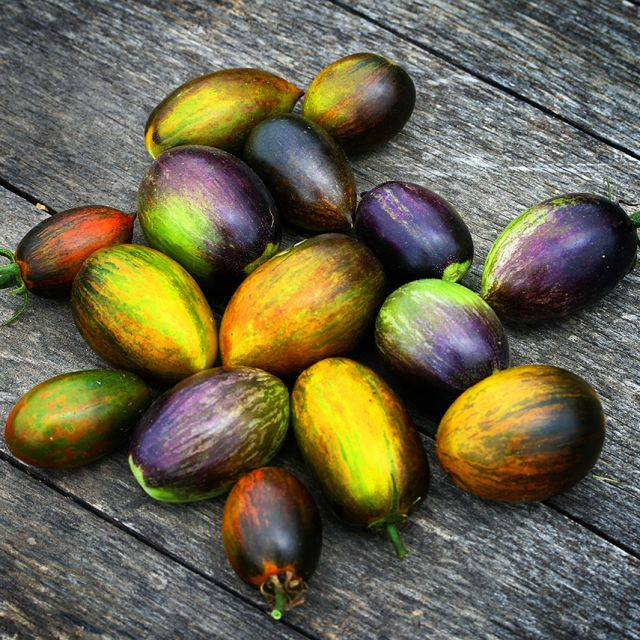
Brad’s Atomic Grape Tomato – Large, elongated cherries in clusters. The color (and flavor!) is intense—lavender and purple stripes that turn to Technicolor olive-green, red, and brown/blue stripes when fully ripe. Crack-resistant fruit is extraordinarily sweet! These range in size from a large grape to plum-sized.
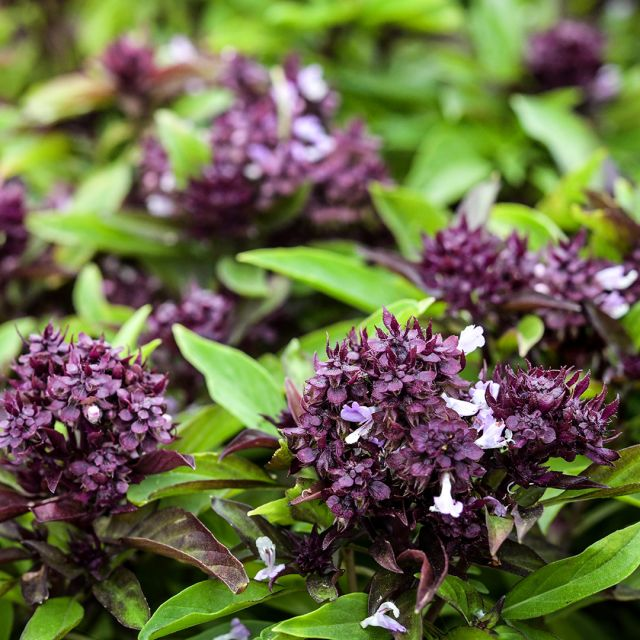
Siam Queen Thai Basil – Very strong, clove-scented basil. Wonderful for curry and all Thai cooking. This selection has beautiful flowers. Very tasty.
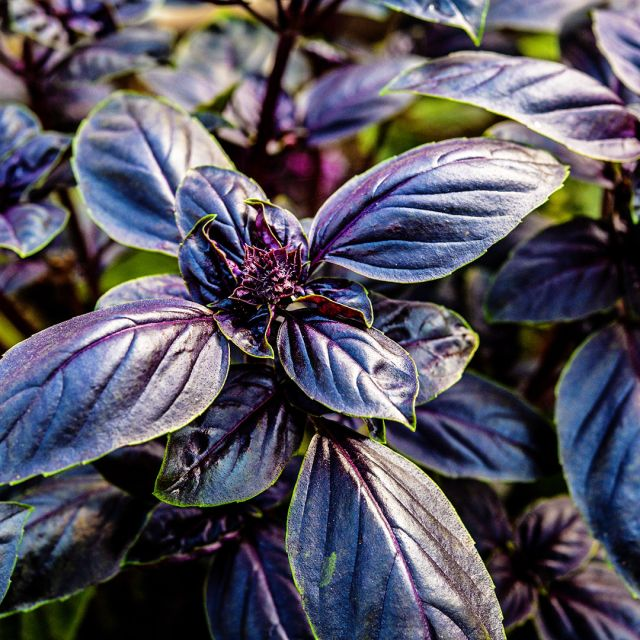
Dark Purple Opal Basil – The deep color makes this one extra flavorful, rich, and sweet. This variety was bred at the University of Connecticut in the 1950s when Professor Joseph M. Lent and his colleague John Scarchuck set out to improve the existing purple basil variety, which had inconsistent color issues. A purple-splotched variety from Turkey was selected from countless samples from across the globe. The result was this deeply purple, vigorous variety, which they named Dark Opal.
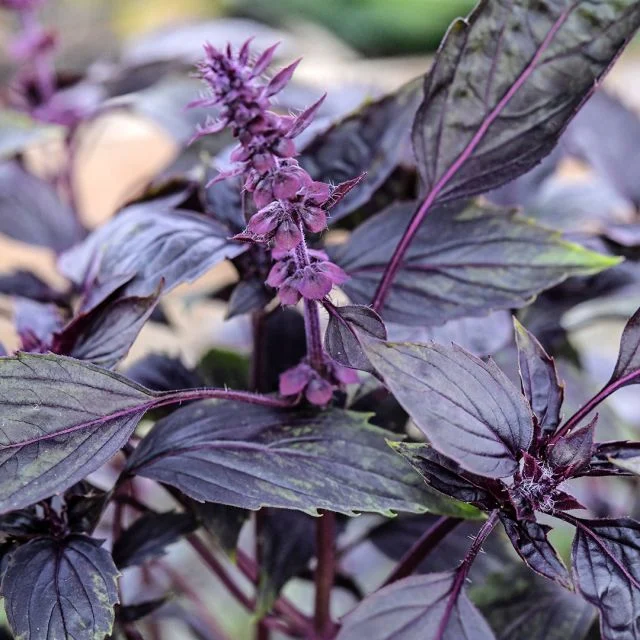
Persian Basil – A really interesting and flavorful variety! Known as Reyhan throughout the varied nations of southwestern Asia. It has a distinctive aroma, both lemony and spice-like. This variety is so fragrant and nutritious, with more calcium than any other basil. Perfect for soups, salads, rice dishes and flavorful tea.
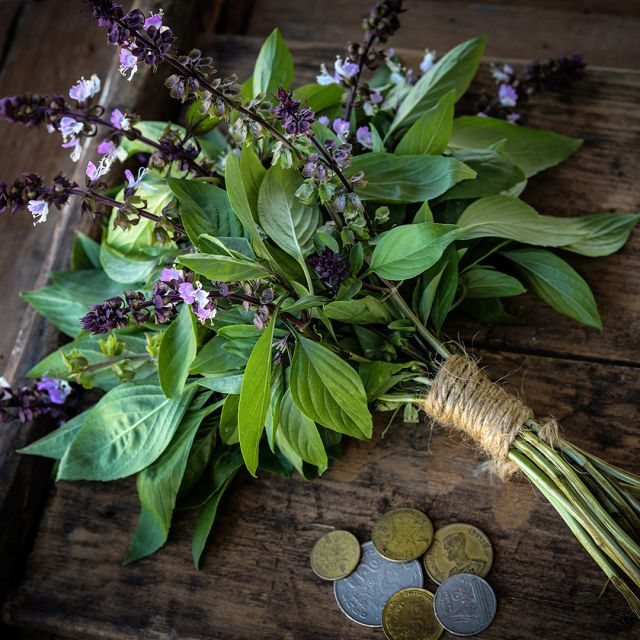
Thai Sweet Basil – Popular sweet, spicy basil that is essential in Thai cuisine. Very flavorful with a nice licorice taste. A true taste of Thailand! This plant is not only great in the kitchen, but also known for its medicinal value. It is also a source of calcium and vitamins.
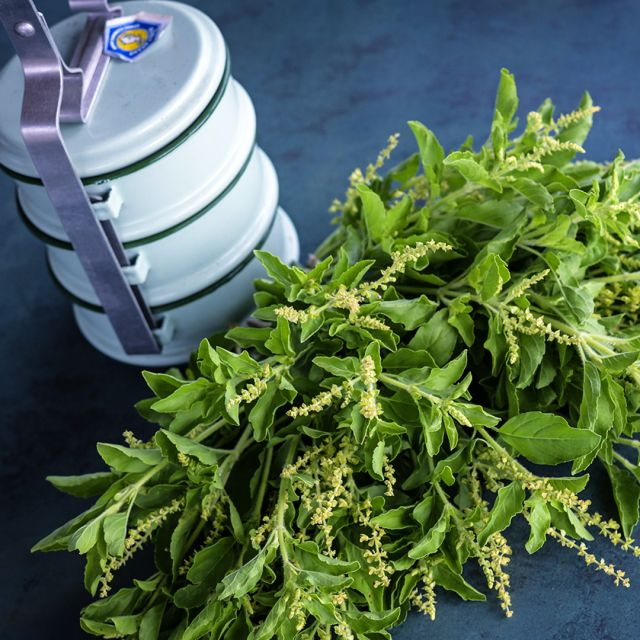
Thai Holy Kaprao Basil – A bold and intense, authentic type of Thai basil that is difficult to find outside Asia. The delicate, slightly hairy leaves of this distinct variety are highly revered in Thailand for their piquant flavor. Its flavor notes of clove and black pepper make it much less sweet than the Thai Sweet basil, lending robust flavor to a multitude of dishes.
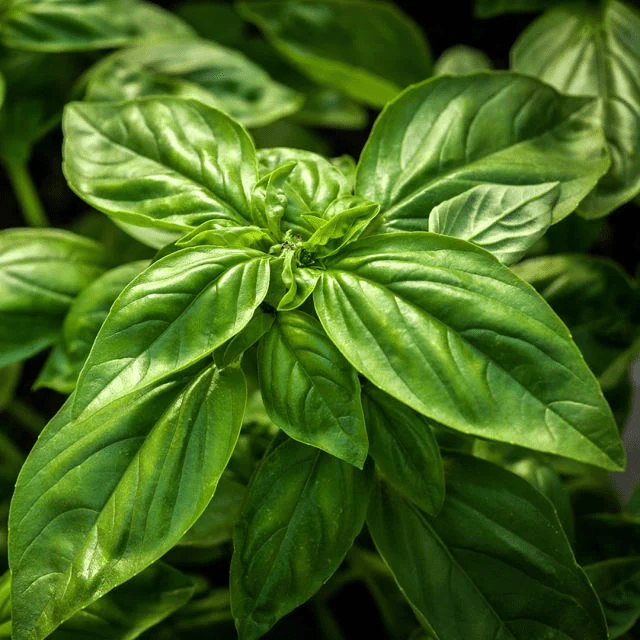
Genovese Basil – A legendary Italian heirloom! Genovese basil is the essential ingredient in basil pesto, but it’s also phenomenal in sauces, on pizzas, and any other recipe calling for basil. Genovese basil was first bred in the Northwest coastal port of Genoa, the gateway to the Italian Riviera. Most of the Genovese basil in Italy is grown in the Liguria region.

Evivi Ntor Basil – This peppery and piquant heirloom, traditionally grown by the people of the Ewe tribe in Ghana, West Africa, has a wonderful aroma and has many delicious culinary uses. Evivi Ntor means “very tasty” in the Ewe language: the flavor is floral with a hint of pine and citrus, nuanced and bold! It is traditionally used in soups, stews, sauces, juices and also to flavor local drinks.
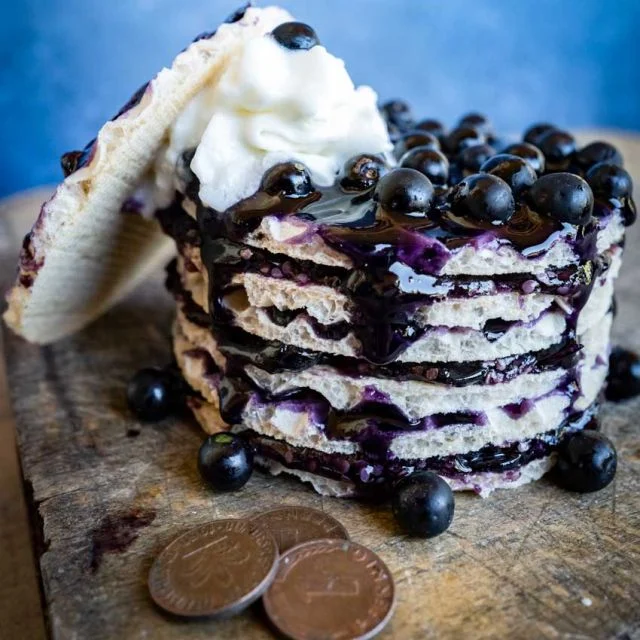
Garden Huckleberry – An antioxidant-rich garden berry that undergoes the most miraculous flavor transformation when cooked and just lightly sweetened! There is a stark contrast between eating the berries raw and in their cooked and sweetened state. The raw ripe berries have a tart flavor, similar to tomatillo, yummy for savory snacking and salsas. The cooked and lightly sweetened berries are reminiscent of blackberry or gooseberry. The garden huckleberry is native to Africa and is a solanaceous berry in the tomato family. The intense purple-black hue of the berries indicates high levels of the antioxidant anthocyanin. The truly spectacular flavor of these berries is revealed when the berries are cooked and sweetened; this brings out a fruity, blackberry-like flavor that is simply beautiful. I have made these berries into delicious jams and syrups.
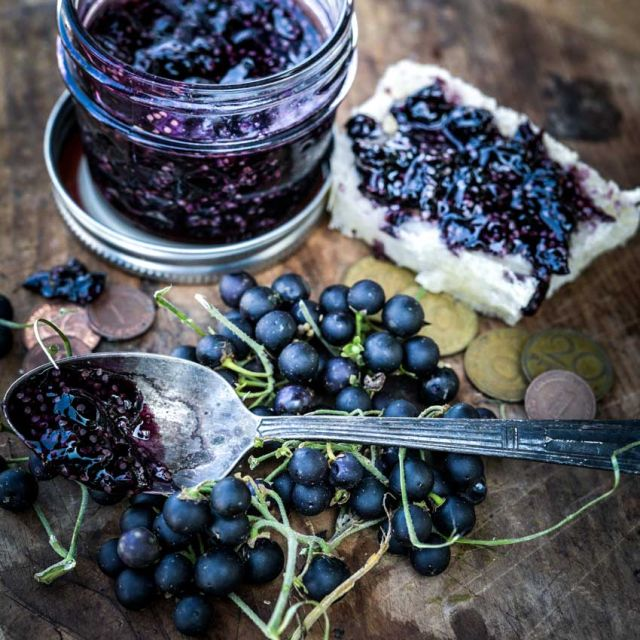
Schwartzenbeeren Blackberries – These have an incredible sweet taste, similar to French blackberries. Brought to Kansas by Volga German immigrants about 1875, and still appreciated by their descendants, who grow and use them in such traditional recipes as Kuchen, Maultaschen, Klump, and Knebel. Perfect for pies and preserves!
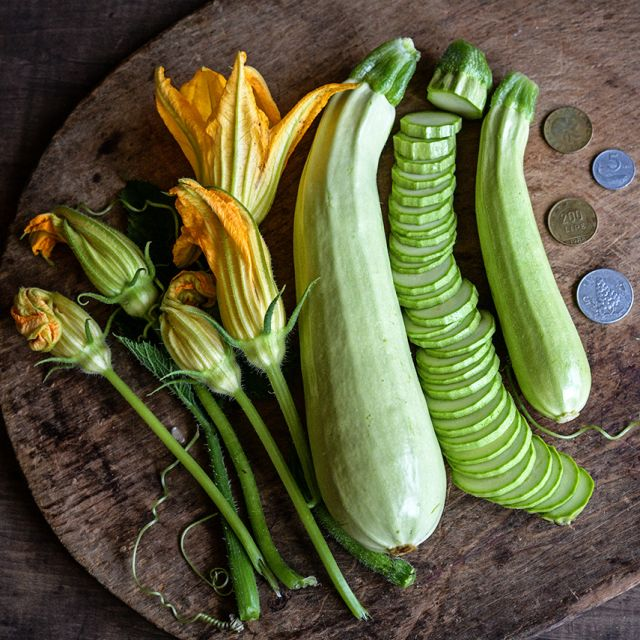
Long White of Palermo Zucchini – The famed treasure of Sicilian cooking! A gourmet traditional heirloom from Palermo, Sicily, that is highly regarded across Italian cuisine. Fruit average 12-15 inches and are a unique sage green color with faint speckles. This buttery textured variety is instrumental in a number of dishes from zucchini parmesan to salads and pastas. Charlie and I love to create tasty dishes of all kinds, playing on the nutty sweet flavor and tender texture. Wonderfully productive and flavorsome!
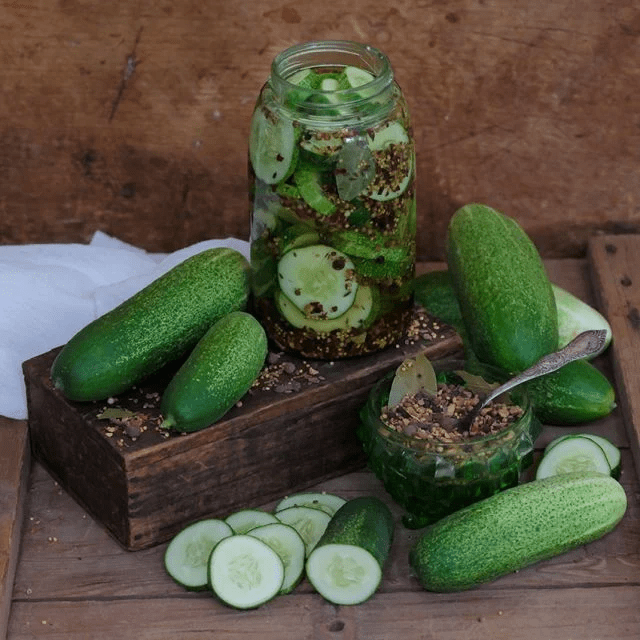
Monika Cucumber – From a Polish breeder, who recommends ‘Monika’ for pickles. This one is parthenocarpic, which simply means it doesn’t need pollination to set fruit. This is great for me, because sometimes local bee populations can be low during the early growing season (but thankfully increasing every year!) to pollinate regular cucumbers. Makes a really nice slicing cucumber as well.
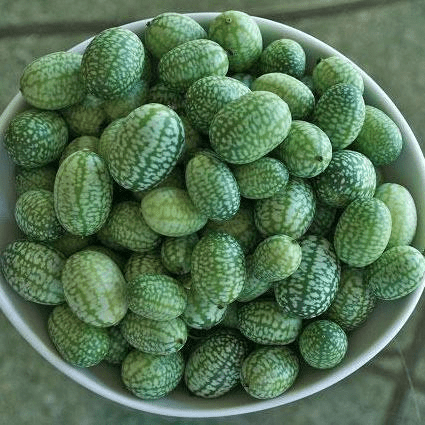
Mexican Sour Gherkin – A rampant yet delicate vine producing dozens of 1″ green and white fruit that will delight children and adults alike. Great for pickling whole and snacking on straight from the vine. Trellis for best harvest. Also known as cucamelon, mouse melon, or “sanditas” (Spanish for “little watermelon”).
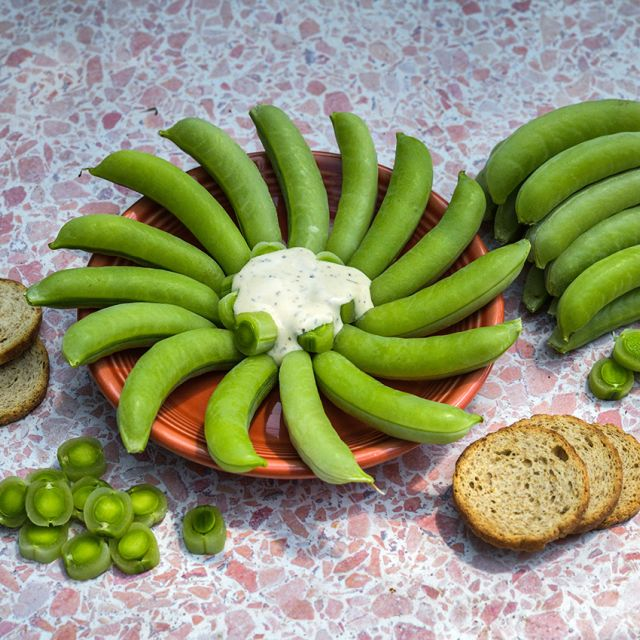
Sugar Bon Snap Peas – This is a delightful dwarf variety that matures early and produces sublimely sweet 3-inch pods. Plants produce crispy, crunchy sweet and snackable peas that have both edible pods and peas.
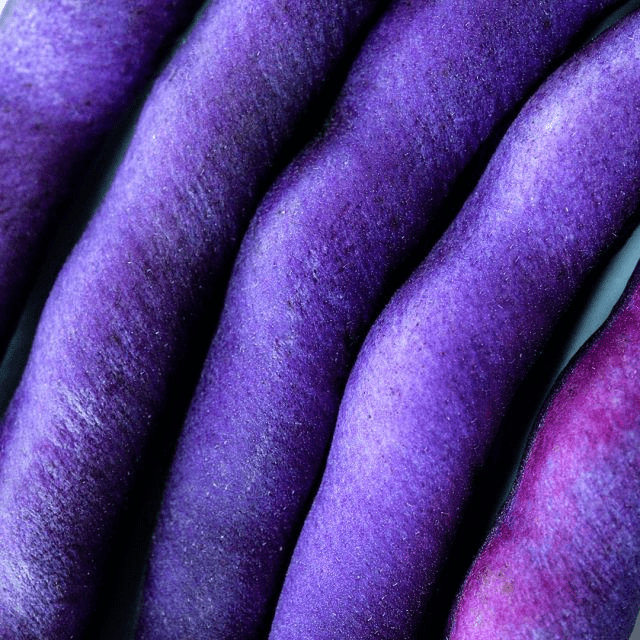
Purple Dove Beans – Gorgeous violet-purple, flat to slightly round pods are very well flavored. The young beans are delicate and great for fresh eating, the mature beans have a delicious, full flavor great for sautee or blanching.
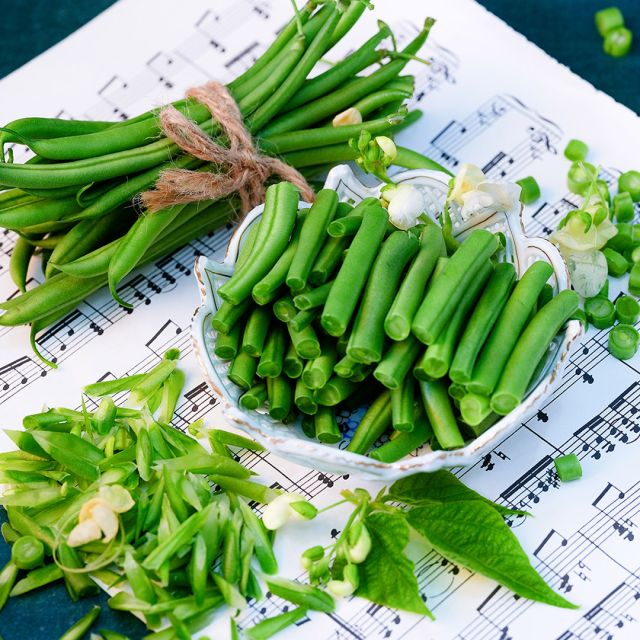
Opera Bush Beans – A dwarf bush bean that produces delicious, stringless, emerald-colored pods! Perfect when lightly boiled for haricots verts!
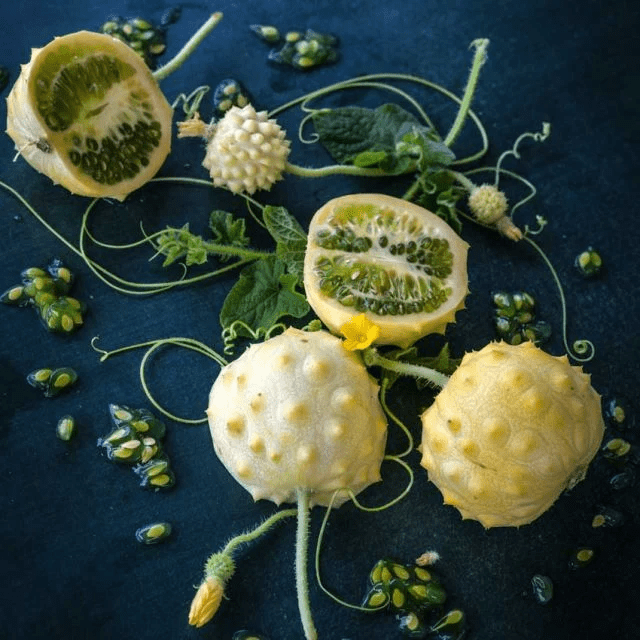
Kiwano Rund Jelly Melon – This amazing melon from Africa is about 3 inches in diameter, covered in intriguing points. The skin is pale peach to ivory colored. Flesh is juicy, sweet, and delicious. The flavor is often compared to banana and lemon. Very cute and just plain fun!

Golden Crispy Melon – Early-to-mature Asian melon with a succulent sweet flavor and crisp flesh. This gourmet variety originated in Japan and became a commercial success before it was discontinued in the early 1980s. The small, oblong- to pear-shaped fruits weigh about ½ pound each. Smooth, golden skin with incredible sweet, uniquely aromatic white flesh. This delicious, personal-sized melon was almost lost, I’m so glad that it’s being propagated again!

Golden Honeymoon Melon – A honeydew melon with a brilliant, gold rind and delicious green flesh and really unusual, sweet flavor. Two weeks earlier than regular honeydew; a great keeper, unique and rare breed!
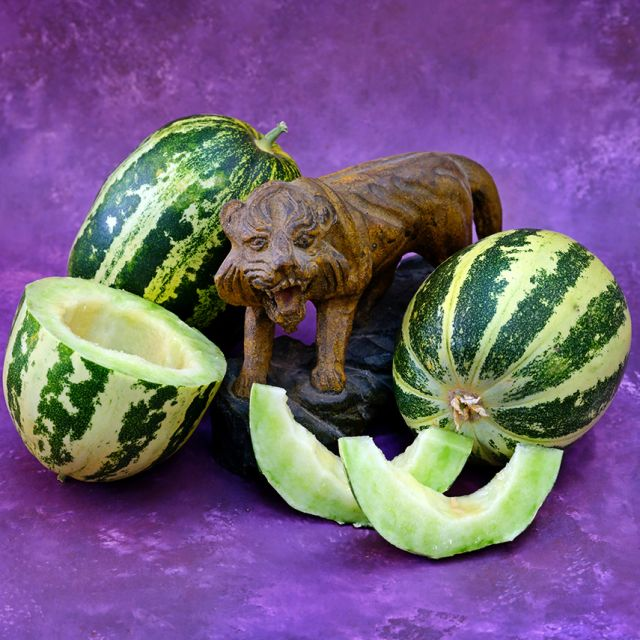
Japanese Tiger Melon – This pocket sized melon is a Japanese delicacy, with crisp, sweet flesh and beautiful tiger striped skin. These melons top out at 10-12 ounces each. In Japan these are savored as a yummy dessert, or added or salads and savory preparations—a great all-purpose melon!
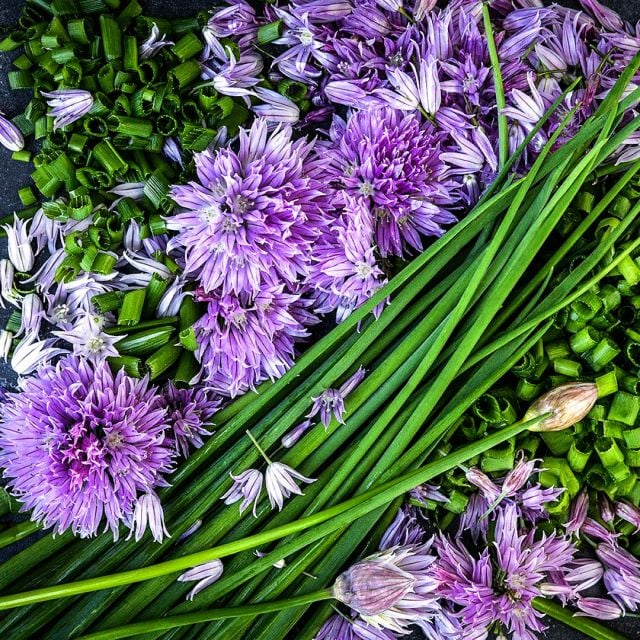
Common Chives – Wonderful, mild onion flavor. These long, thin chives are excellent in many meals; great raw or cooked. Lavender-like flowers.
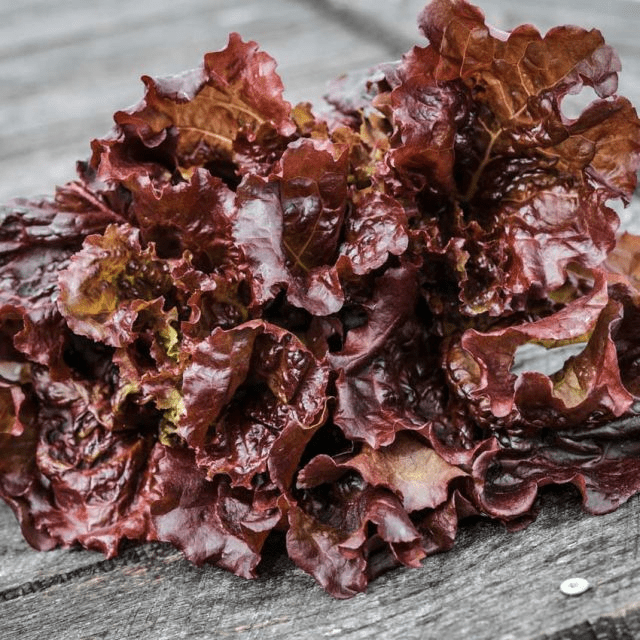
Merlot Lettuce – Said to be absolutely the darkest red lettuce in existence, making it tops for anthocyanin (antioxidant) content as well! Leaf lettuce with wavy to frilly leaf margins and very crisp, waxy leaves! A rich source of potassium and vitamin A.
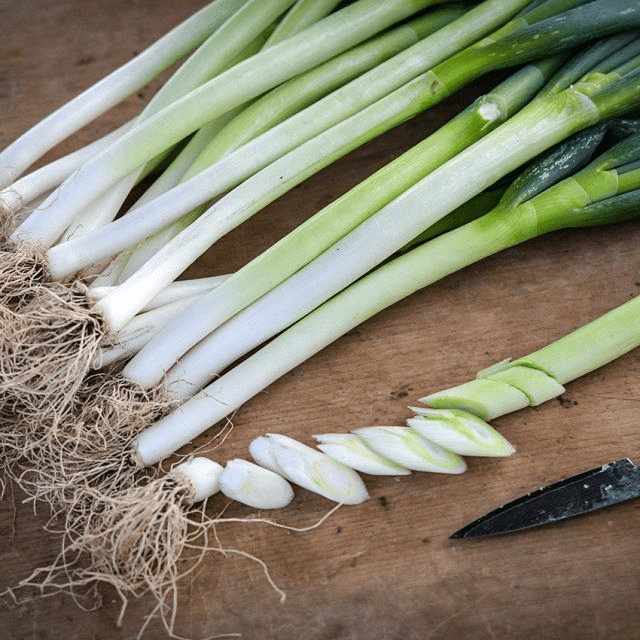
Ishikura Onions – A flavorful bunching onion, that is a popular and traditional Japanese variety for sukiyaki, soup, and salads. Ishikura green onions are big! (up to two feet tall, one inch across) while remaining tender and scallion-like, never forming a bulb. A very fun onion to cook with!
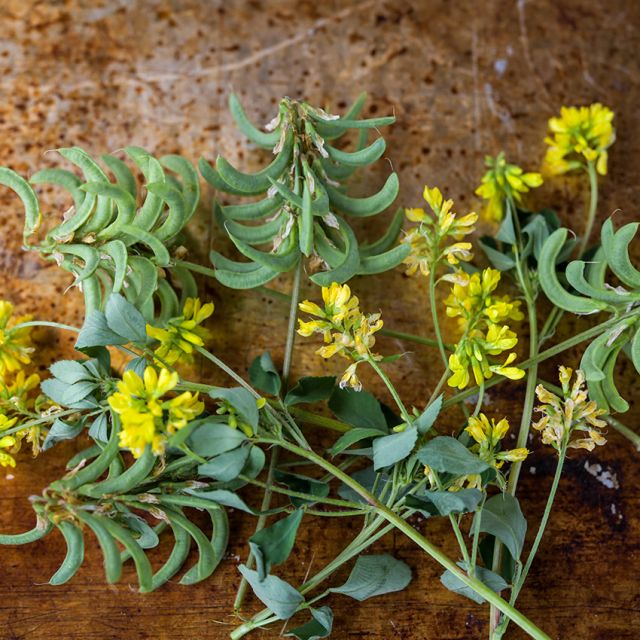
Fenugreek Herb– This ancient, aromatic leaf herb is a popular potherb in India. Also used in curry powder, in imitation flavorings, and as a coffee substitute. The seeds make a tasty tea. Popular in western Asia and the Mediterranean.

Purple Beauty Sweet Pepper – Delicious onyx-colored peppers: large, 4-inch black fruit that ripen to deep purple. These gorgeous peppers are flavorful, crisp and juicy with a thick wall, perfect raw or cooked. Note these peppers will lose their color in cooking.
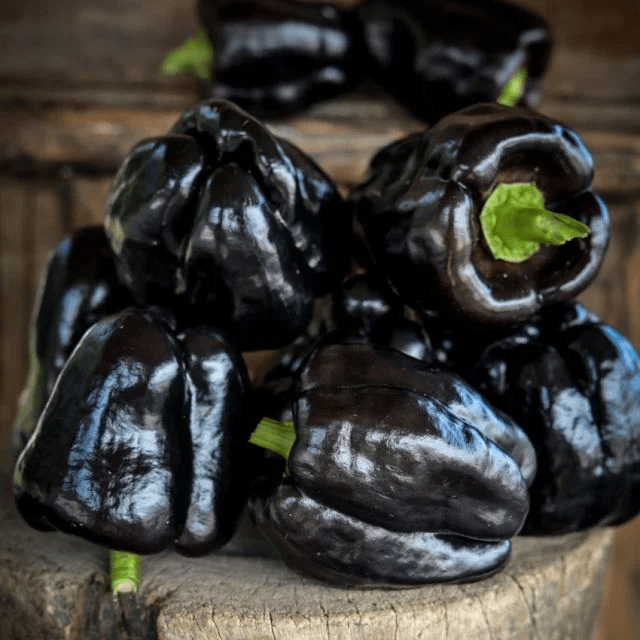
Zulu Sweet Peppers – This intriguing ‘eggplant black’ colored bell pepper is crisp with thin flesh. It has an amazing piquant aftertaste of spicy zip minus the nip of a hot pepper. Zulu pepper is a great addition to salsa and salads. A beautiful pepper from Poland.
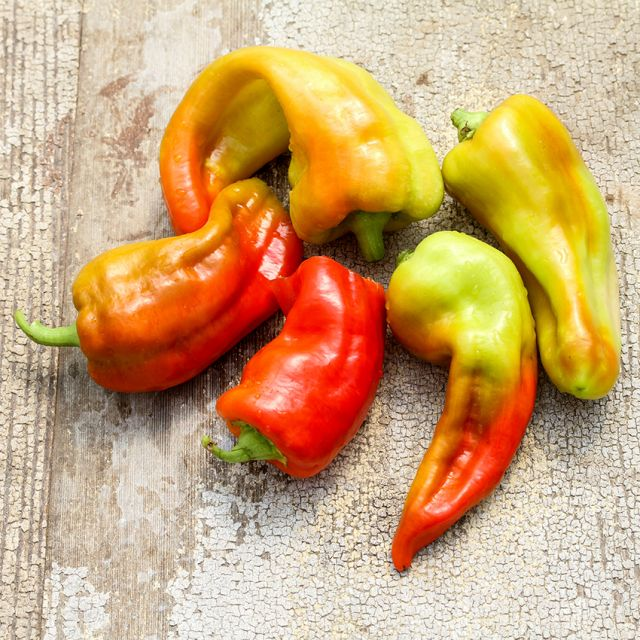
Cubanelle Sweet Pepper – Also known as “Cuban pepper”, the Cubanelle is a variety of sweet pepper commonly used in Cuban, Puerto Rican, and Dominican cuisine. Many cooks prefer it to bell types. Sweet Cubanelle peppers can some times be slightly hot, but with only a touch of heat. This 6-8-inch pepper is prized for its sweet, mild flesh, rich flavor, and pretty colors. The thin-walled pepper is especially suited for quick cooking and has a low water content. Best picked when yellow-green for use in roasting, stuffing, as a pizza topping, for frying, a substitute for Anaheim peppers, or in a yellow mole sauce, and is one of the traditional ingredients in sofrito. Cubanelle peppers are also known for their unique, imperfectly curled, wrinkled, and twisted shapes–no two seem to ever be alike.
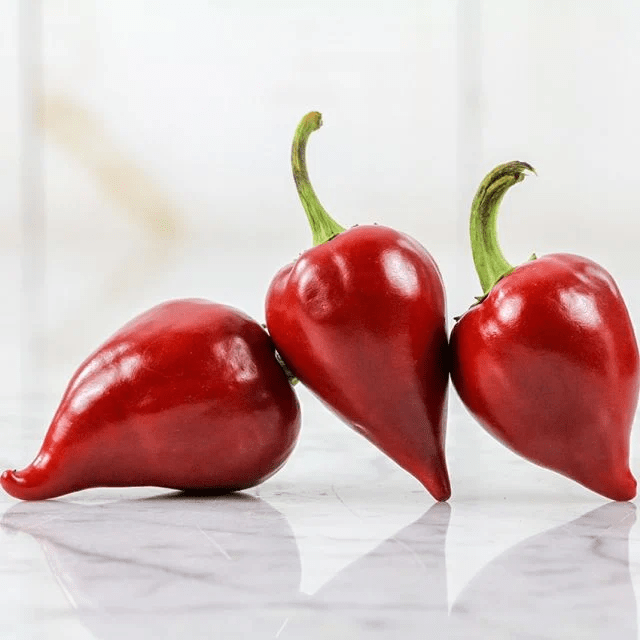
Kalugeritsa Hot Pepper – A beautiful and delicious heirloom pepper from North Macedonia. This jalapeño-level hot pepper was brought to the Baker Creek Heirloom Seeds company in the States by Steve Neumann, who also introduced the phenomenal and uniquely etched Rheza pepper and the Ajvarksi pepper. Steve collected the seeds for this variety while visiting the village of Kalugeritsa. This super rare pepper is not known outside of the region, and he was unable to find a variety name; therefore the pepper bears the name of the little town in which it is grown. We love this pretty little pointed pepper. The flavor is full-bodied, and it is one of the best peppers for roasting!

Buena Mulata Hot Pepper – A very rare, extremely productive, and stunning hot pepper! William Woys Weaver introduced this pepper to the team at Baker Creek Heirloom Seeds (also the source of the Kalugeritsa pepper, one of the top heirloom seed breeders in the country) from his grandfather’s collection. His grandfather received the pepper from African-American painter Horace Pippin in 1944. A chameleon-like pepper that undergoes color changes during ripening; from violet to pink, then orange changing to brown, and eventually to a deep red. The long, round pods reach 6 to 7 inches in length and undergo a unique flavor change as they ripen, with the reds being more sweet and meatier than the violet. The stunning plants also make wonderful potted specimens.
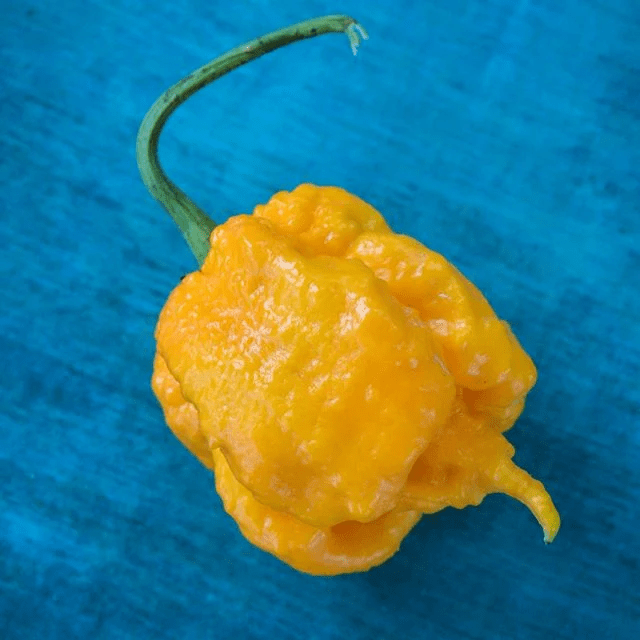
Seven Pot Hot Pepper – These cheerful canary yellow peppers are really interesting looking–but handle with care! The Yellow Seven Pot pepper from Trinidad ranks as one of the world’s hottest peppers, with over 1 million on the Scoville scale! The inviting yellow color does indicate a milder fruit than the darker-colored Seven Pot peppers, but this remains one of the world’s hottest peppers and is not to be taken lightly. A phenomenal pepper for making zippy yellow hot sauce, for true heat lovers!
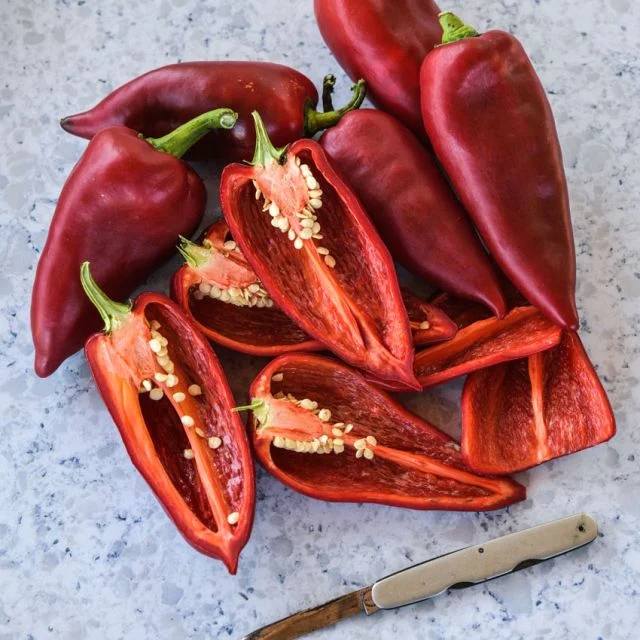
Ajvarski Sweet Pepper – These peppers are incredibly fragrant and tasty. When you throw half a dozen on your grill, everybody in your neighborhood will smell them! These thick-fleshed, traditional Macedonian sweet peppers are roasted on flat metal stoves, peeled, then ground into a traditional relish called ajvar, which is eaten spread on bread, often with sirenje, a local cheese similar to feta. Nearly every rural household puts up a supply of ajvar for winter eating. In autumn, North Macedonians flock to the markets in fertile valleys in the east to buy bushels of the best aromatic roasting peppers from the local villages. The original seed was a gift from the students in the villages of Kalugeritsa and Zleovo.
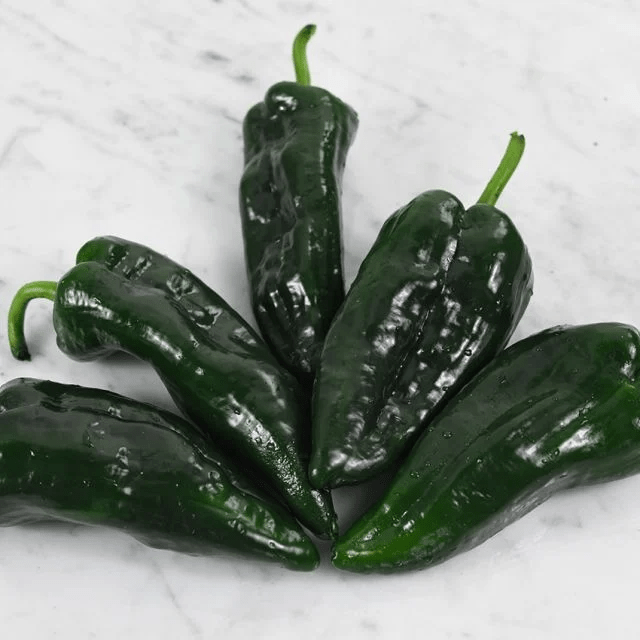
Poblano Mild Pepper – One of the most popular chilis in Mexico! 3- to 6-inch heart-shaped fruit is usually of gentle heat, at around 2000 Scovilles. Used green, after roasting and peeling, it is the classic pepper for chili rellenos. Dried, the fruit turns a rich dark red-brown and may be ground into an authentic red chili powder.
We hope you enjoyed this garden tour! Contact Nastoosh with any questions and requests
“The world of God’s garden fruits is so fascinating!” -Nastoosh Berg
 MY GARDEN FRESH VEGGIES